Walking your way to 8,000 steps
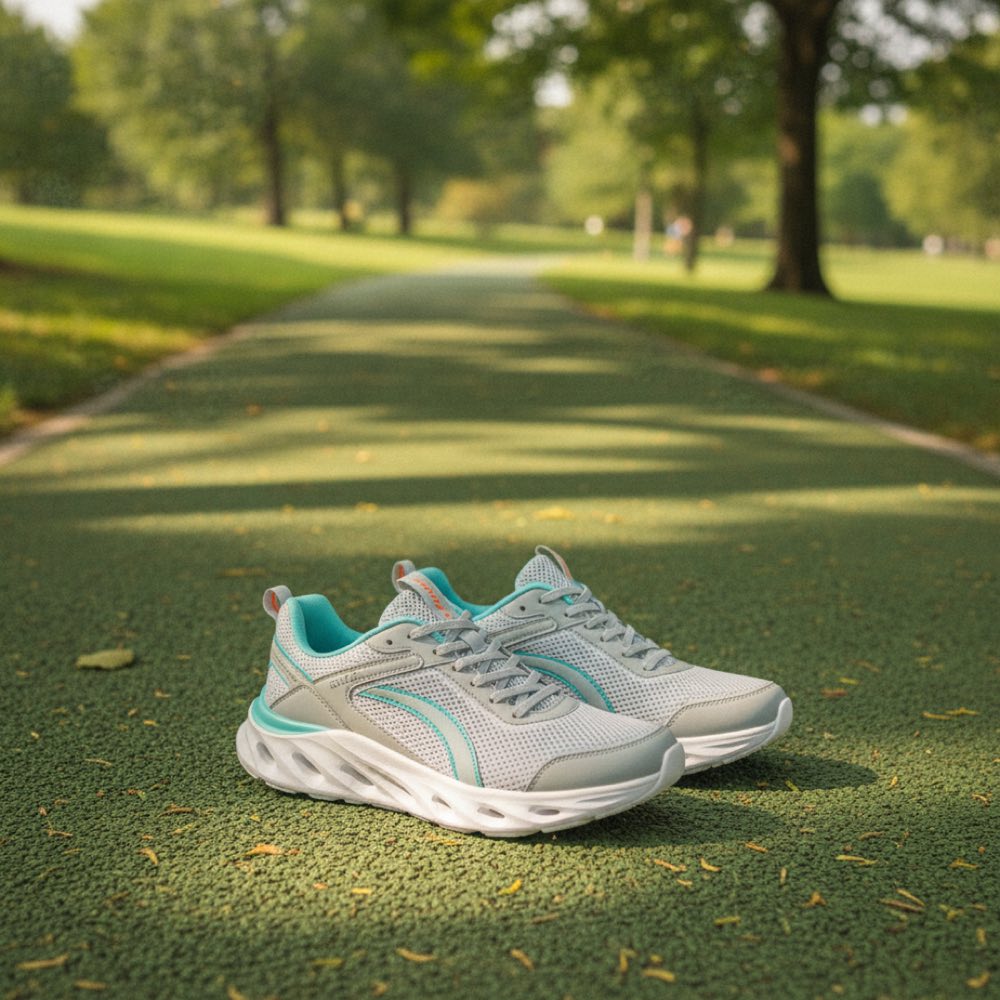
There's something refreshingly low-tech about walking. No membership, no equipment, no learning curve — just you and a pair of comfortable shoes. Aiming for a daily step count, somewhere around 8,000, has become a popular way to stay active, and the best part is that you can get there in small pieces scattered through an ordinary day.
Why consistency beats intensity
It's tempting to think movement only counts if it leaves you breathless, but a steady walking habit tells a different story. The walks you actually repeat — day after day, almost without thinking — tend to matter more than the occasional ambitious effort you abandon by Wednesday. Consistency is what turns activity into a routine rather than a project.
That's also why 8,000 is such a friendly target. It's enough to feel meaningful, but not so high that a busy day makes it impossible. And because walking is gentle and familiar, it's easy to keep up even when motivation dips — which is precisely the point. The habit that survives a hectic week is the one worth building.
Weaving walks into a workday
The secret to a higher step count usually isn't one long march; it's a handful of short walks you barely notice. A few minutes here and there add up faster than you'd expect, and they double as natural breaks that leave you feeling sharper when you sit back down.
- Take a lap around the block before your first task of the morning.
- Turn one phone call into a walking call, indoors or out.
- Use part of your lunch break to step outside instead of staying at your desk.
- Park a little farther away, or get off a stop early, to bank extra steps.
- Wander while the kettle boils or during ad breaks in the evening.
Stack two or three of these into a normal day and the total climbs quietly toward your goal, no dedicated workout required.
Making the count stick
If 8,000 feels far off right now, don't start there. Check your current average for a few days, then add a few hundred steps at a time until the new number feels normal. Treating it as a gradual build rather than a sudden leap makes the habit far more likely to last.
It also helps to anchor walks to things you already do — a stroll after lunch, a loop around the neighbourhood before dinner, a quick lap when you refill your water. Pairing a new habit with an existing one takes the decision-making out of it. Hit the number some days and fall short on others, and that's completely fine; the goal is a rhythm you can keep, not a streak you have to defend.
This article is for general information only and is not medical advice. Always talk to a qualified healthcare professional before making changes to your diet, exercise or health routine.